

Roundup lawsuits continue to move through both federal and state courts. In 2026, courts are handling these claims through structured processes that aim to manage large volumes of cases while still allowing individual claims to be reviewed.
Federal Multidistrict Litigation
Many Roundup cases have been handled through multidistrict litigation, often referred to as MDL. This process groups similar cases together to address shared issues more efficiently.
The United States Courts explains that MDLs are used when many cases involve common questions of fact. This allows courts to review scientific evidence and legal arguments in a coordinated way.
State Court Cases
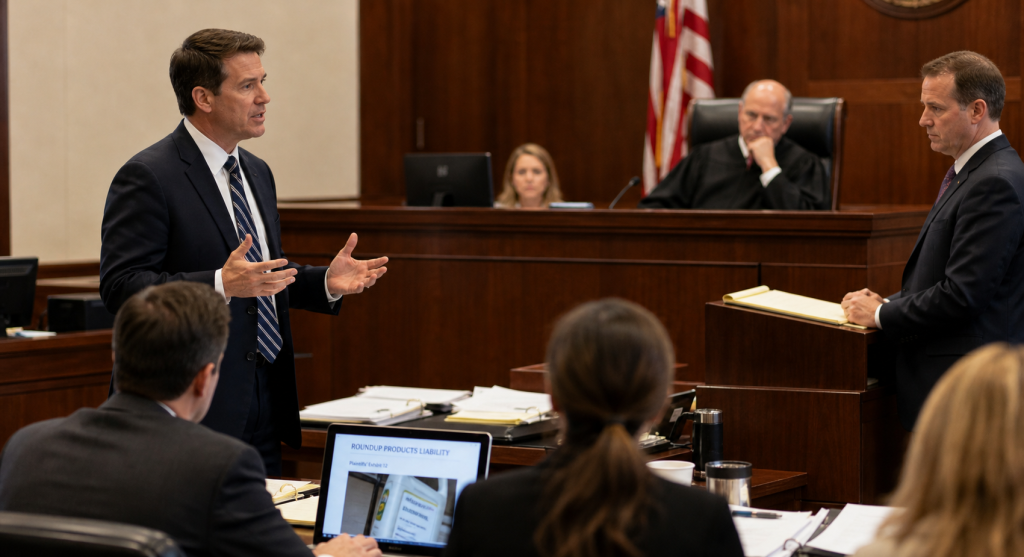
Not all Roundup lawsuits are part of federal proceedings. Many cases are filed in state courts, where they move independently. These cases may follow different timelines and procedures depending on local rules.
Bellwether Trials
Courts sometimes use bellwether trials to test how juries respond to evidence. These trials are not representative of every case but can influence settlement discussions and legal strategy.
Reports from Reuters have covered major Roundup trial outcomes and how they shape ongoing litigation.
Appeals and Legal Challenges
Appeals remain an important part of Roundup litigation. After verdicts, higher courts may review decisions related to evidence, jury instructions, and legal standards.
The U.S. Supreme Court occasionally reviews cases involving broader legal questions that may affect similar claims.
Case-by-Case Evaluation
Even with coordinated proceedings, each Roundup claim is evaluated individually. Courts consider factors such as exposure history, diagnosis, and supporting evidence.

Looking Ahead
Roundup claims continue to evolve as courts review new evidence and legal arguments. Understanding how courts handle these cases today can help you navigate your research more effectively.
Conclusion
Courts are handling Roundup claims through a combination of coordinated proceedings, individual lawsuits, and ongoing appeals. These processes continue to shape how claims move forward.