
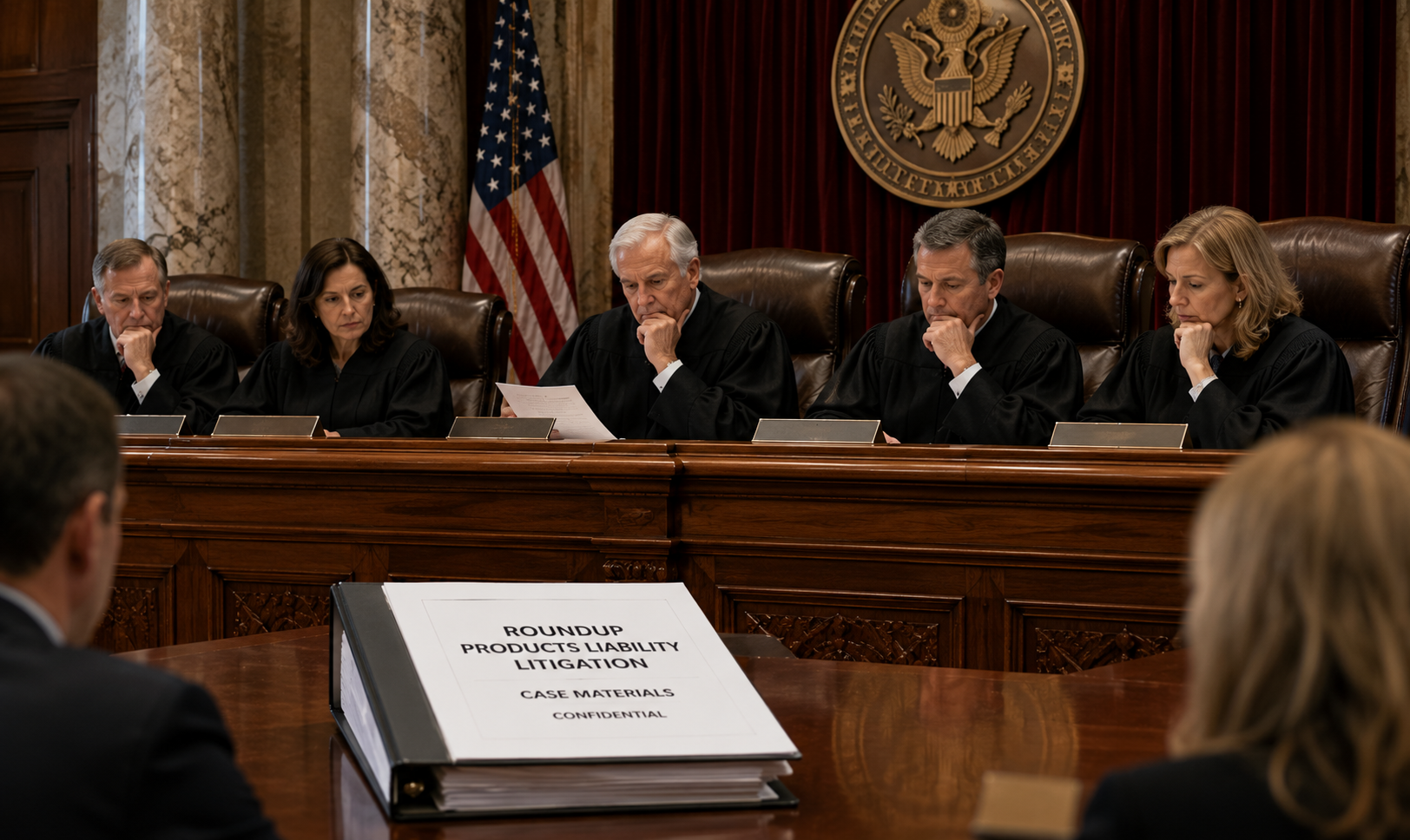
As Roundup lawsuits continue through 2026, major legal shifts are shaping how cases move forward. Recent developments include a key U.S. Supreme Court decision on preemption, evolving settlement negotiations, and strategic adjustments by plaintiffs’ counsel aimed at protecting claimants’ rights. These changes could impact people who have filed claims, plan to file new ones, or are evaluating the value of joining a settlement program.
Roundup Lawsuits and Litigation Trends
Roundup lawsuits allege that exposure to glyphosate—Roundup’s active ingredient—can lead to certain cancers, particularly non‑Hodgkin lymphoma. Plaintiffs argue that Monsanto (now owned by Bayer) failed to provide adequate warnings about cancer risks, leading to tens of thousands of claims filed in federal and state courts. As of mid‑2026, federal multidistrict litigation (MDL) includes several thousand pending cases, with many more active in state jurisdictions.
Thousands of settlements have already been reached, with Bayer having paid billions to resolve claims. However, a significant portion of litigation remains pending nationwide as legal strategies evolve.
Supreme Court Ruling on Preemption and Its Impact
One of the most impactful legal developments in 2026 was the U.S. Supreme Court’s decision regarding preemption in Roundup cases. In the case Monsanto v. Durnell, the Court examined whether federal pesticide law (the Federal Insecticide, Fungicide, and Rodenticide Act, or FIFRA) preempts state failure‑to‑warn claims stemming from glyphosate exposure.
The Supreme Court ruled in favor of Monsanto’s position, holding that certain state law failure‑to‑warn claims were preempted due to the federal regulatory framework governing pesticide labeling. This decision limits one of the most commonly used legal theories in Roundup litigation, affecting thousands of pending claims and reshaping plaintiffs’ strategies moving forward.
Because failure‑to‑warn theories were central to many lawsuits, this ruling has significant implications for current and future litigation. Attorneys representing plaintiffs are adapting by focusing on alternative legal theories and emphasizing other evidence sources to support claims. For general context on how courts handle Roundup litigation, see our post on how courts handle Roundup claims.
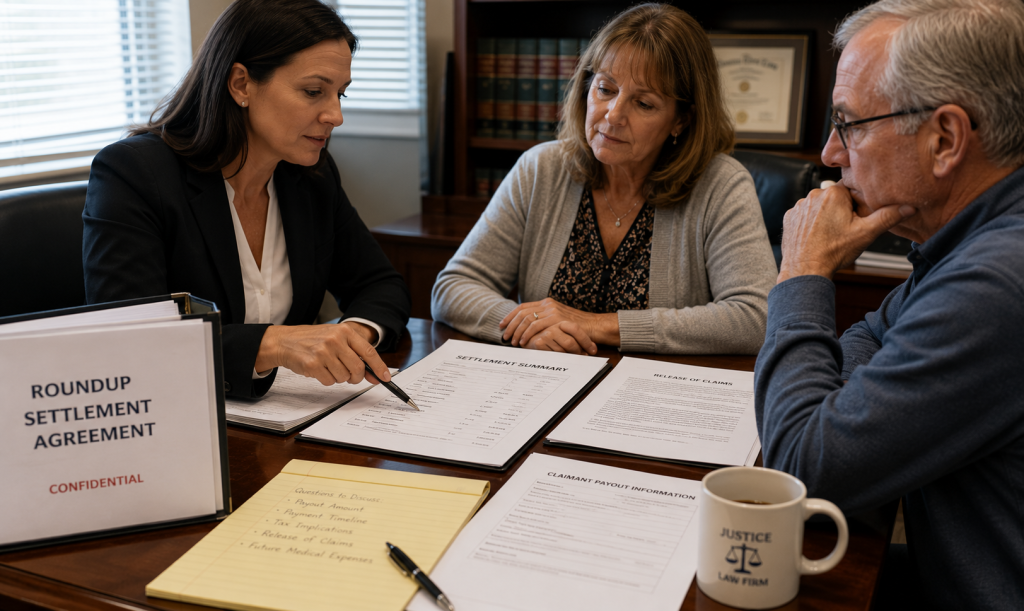
Understanding the $7.25 Billion Settlement Proposal
Amid these legal shifts, Bayer proposed a nationwide Roundup settlement worth about $7.25 billion to resolve current and future claims involving alleged glyphosate‑related cancers.
The settlement agreement—currently awaiting final judicial approval in Missouri state court—would create a long‑term compensation program. Under its terms, eligible claimants could receive payouts over a period as long as 17–21 years, depending on individual factors such as diagnosis, age, and level of exposure.
Individuals who developed non‑Hodgkin lymphoma after Roundup exposure would be included, and, once approved, the settlement claims process would open to allow eligible participants to register and submit documentation.
What the Settlement Means for Claimants
For many plaintiffs, settlement participation offers predictability and an earlier path to compensation compared with prolonged litigation. Some claimants could receive settlements averaging between modest amounts and higher compensation depending on their personal circumstances and medical records.
However, critics and some plaintiffs’ attorneys argue that the settlement structure may undervalue certain claims compared to potential individual jury verdicts. Critics contend that changes introduced by the Supreme Court’s preemption ruling make lengthy litigation less viable, increasing the importance of negotiated settlements.
Legal Rights After the Preemption Decision
Even though the Supreme Court ruling limited some types of failure‑to‑warn claims, not all legal avenues are closed. Attorneys are now exploring other liability theories and emphasizing factual evidence relating to corporate conduct, regulatory compliance, and internal decision‑making.
The preemption decision specifically affects claims based on the absence of a cancer warning that is not mandated under federal pesticide law. However, other legal grounds—such as consumer protection claims or allegations of negligent product design—may still be viable depending on the jurisdiction and specific facts of the case.
For more on foundational lawsuit eligibility and claim factors, see our article on who qualifies for a Roundup lawsuit.
Scientific Controversy and Regulatory Context
The debate over whether glyphosate causes cancer remains contentious. The International Agency for Research on Cancer (IARC) classified glyphosate as “probably carcinogenic to humans,” while regulatory agencies such as the U.S. Environmental Protection Agency (EPA) maintain that glyphosate is not likely carcinogenic when used according to label instructions.
This regulatory conflict has fueled litigation over the past decade, contributing to the volume of lawsuits and public attention. Plaintiffs often cite scientific studies supporting potential cancer links as part of their claims, even when these studies are not universally accepted.
Recent litigation trends also show continued efforts by attorneys to gather robust evidence beyond regulatory findings, including expert testimony, epidemiological research, and individual exposure histories. This broader approach helps support claims despite the narrowing of failure‑to‑warn theories.
Ongoing Litigation and Where Things Stand
Despite large numbers of settled claims, many cases remain active in both federal MDLs and state courts. As of mid‑2026, several thousand lawsuits continue to proceed through discovery and pre‑trial stages, often in states like Missouri and California.
Attorneys continue to file new claims, and some individuals choose to pursue litigation outside the settlement framework, particularly when they believe their cases warrant higher compensation than the proposed settlement amounts.
What You Should Do If You or a Loved One Has Been Affected
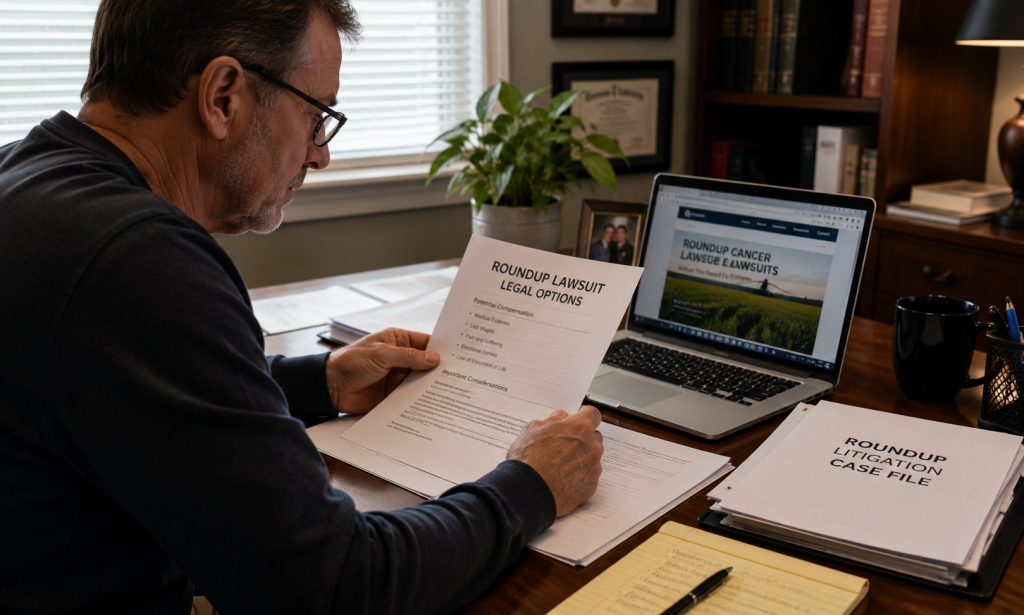
If you or someone you know developed cancer after repeated glyphosate exposure, it’s important to gather relevant documentation such as medical records, exposure histories, and employment documents. These can be critical in evaluating the strength of a potential claim.
Consulting with an attorney experienced in Roundup cases can help clarify whether joining the settlement program or pursuing individual litigation aligns with your goals. For guidance on comparing lawyers.
Because legal landscapes are evolving quickly in 2026, staying updated on developments and deadlines is essential for informed decision‑making.
Conclusion
The 2026 Roundup litigation landscape reflects a period of transition. The Supreme Court’s preemption ruling and the proposed settlement framework are reshaping how claims are resolved. Plaintiffs and attorneys alike are adapting to these changes, balancing litigation prospects with settlement participation.
Understanding your legal options, staying informed about evolving case law, and consulting experienced counsel are key steps if you are considering action related to a Roundup exposure claim. The coming months could be pivotal in determining how many claims are resolved and how justice is pursued for individuals affected by glyphosate‑related cancers.